
What is gluteal tendinopathy:
Gluteal tendinopathies are one of the most common lower limb tendinopathies with it impacting 1 in 5 women. Gluteal tendinopathies occur when there is inflammation and/or irritation to the tendons where the gluteal muscles attack to the top of the thigh, resulting in pain in the hip and/ or buttock region. This can often occur due to a change in physical activity, overuse, or degenerative changes associated with aging.
The gluteal muscles:
The gluteal muscles are a group of three muscles situated in the buttock region, which attach to the upper thigh and assist in moving and stabilizing the hips. The muscles include the gluteus maximus, medius and minimus. The gluteus maximus is the largest of the muscles and closest to your skin, its action is to extend your hip behind you, while the gluteus medius and minimus sit underneath the gluteus maximus and help to stabilize and move the leg out to the side.
How gluteal tendinopathies present:
Gluteal tendinopathies often occur in women around and after the time of menopause. Symptoms may include hip/ buttock/ low back/ leg pain, particularly when moving the leg out to the side, climbing upstairs, walking, and when sleeping on the impacted side. This pain may come on overtime due to repetitive activities, a sudden change in physical activity, or due to muscle weakness or degeneration.
How an osteopath will assess you:
Your osteopath will ask you about your pain including when/ how it came on, where abouts it is located, what it feels like, and what may aggravate or relieve it. After this they will assess how you are moving through your hips and surrounding areas, in addition to other movements and exercises that may be relevant to you or that may be associated with familiar pain when experiencing gluteal tendinopathies. They will also feel for any muscle tenderness, tightness, familiar pain, or movement restrictions that may be indicative of a gluteal tendinopathy or another condition.
How an osteopath can help:
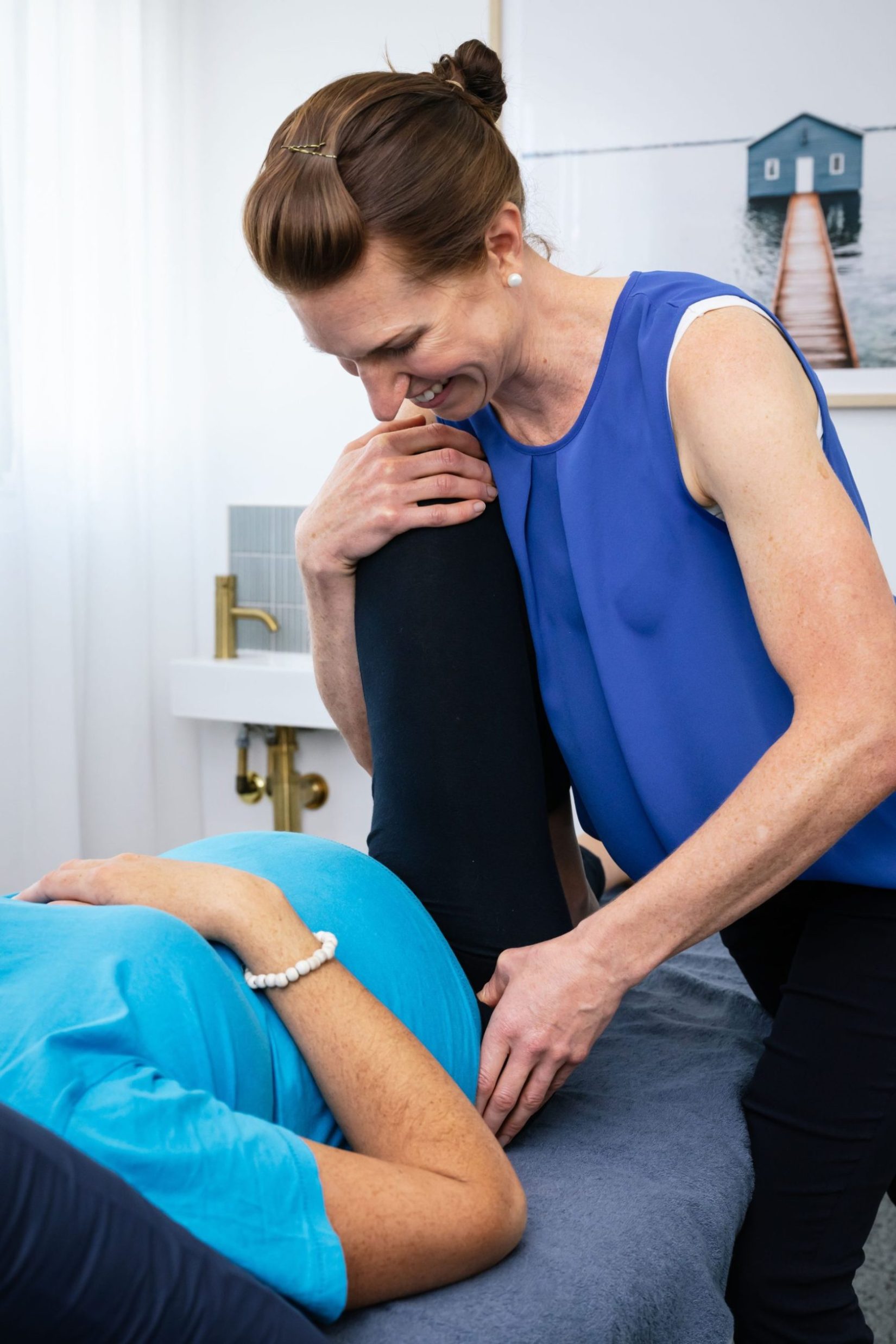
Osteopaths can assist in managing gluteal tendinopathies through a combination of hands-on treatment, exercise, and lifestyle advice. Your osteopath will work collaboratively with you to develop a treatment plan that will guide you through the rehabilitation process, as it can take a matter of weeks or months to settle down. Treatment may include soft tissue techniques, dry needling, articulation, or indirect techniques with the aim of decreasing tightness and calming down the area. Rehabilitation exercises will continue to be progressed to assist your tendons in being able to withstand the load necessary for day-to-day activities!