Jaw Pain / TMJ
AT BAYSIDE OSTEOPATHIC CLINIC
Temporomandibular Disorder (TMD) is commonly referred to as jaw pain or TMJ, and is commonly treated by our Mornington Osteopaths.
what exactly is
Temporomandibular Disorder
Temporomandibular Disorder (TMD) is commonly referred to as jaw pain or TMJ. The temporomandibular joints (TMJ) connect the jaw bones to the skull and allow for complex gliding and hinging movements that are necessary for everyday tasks such as eating, talking and breathing. The joints are separated by a small shock absorbing disc which helps keep the movement smooth. When the TMJ becomes inflamed, dysfunctional or painful, the condition is called temporomandibular disorder (TMD). TMD can occur due to direct injury, such as a knock to the jaw, or is often due to chronic issues such as grinding/clenching your teeth, and/or dental issues which can then cause muscle tightness and imbalance, and inflammation of the joint or disc complex.
Common symptoms with TMD are:
- Pain, including tenderness in the jaw, aching pain in or around the ear and facial pain. Pain may be present whether the temporomandibular joint is moving or not.
- Difficulty opening the mouth fully.
- Difficulty or discomfort while chewing.
- A clicking or popping sensation in the joint.
- Locking of the joint that makes it hard to open or close the mouth.
- Headache, especially in the front/side of your head and/or over the sinuses.
- Toothache.
HOW WE CAN
HELP YOU
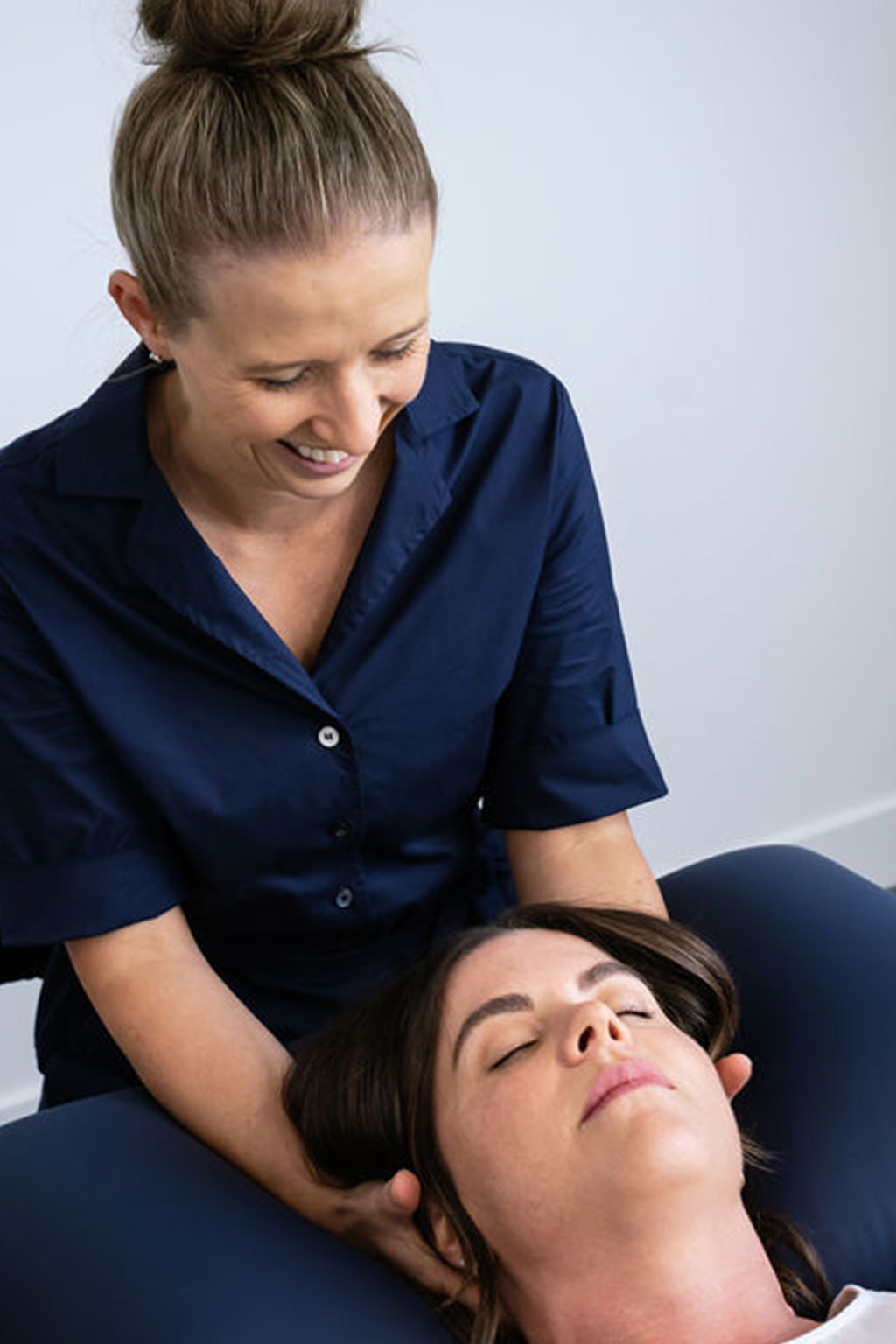
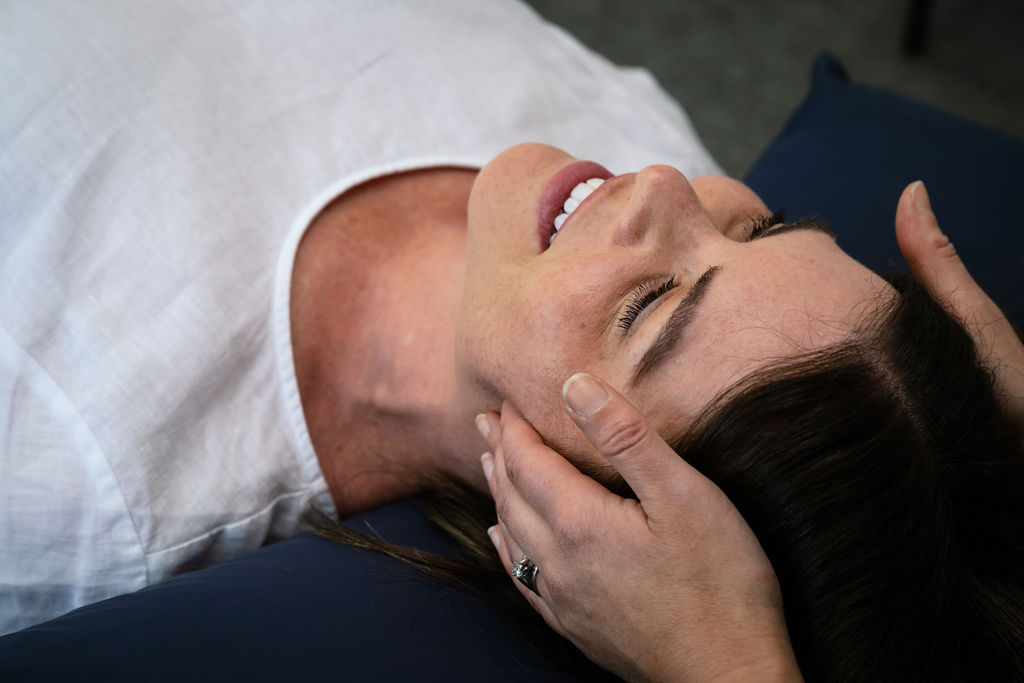
The jaw can be quite complex, and often patients don’t know where to turn when they have pain or dysfunction. The good news is the jaw is very similar to other areas of the body in that the musculoskeletal structures around the jaw will often respond well to osteopathic management including hands on release, rehabilitation exercises, and activity modification. Osteopathic management for TMD focuses on: