
June is Migraine awareness month, where we can put a spotlight on what migraines are, and the impact that they can have on the people we know and care abouts lives. While most people have heard of migraines and the term is commonly used- a lot of people don’t understand what makes them different from other headaches.
What are migraines?
Migraine is a complex neurological condition that commonly impacts approximately 1 in 5 people. They impact your ability to process sensory inputs such as smell, sound, and light- which is why factors such as certain foods, or fluorescent lighting are commonly associated as triggers for migraines.
When there is too much sensory input for the brain to handle, a migraine attack can occur which may involve pain in the head and neck, visual symptoms and can often be disabling. Although many people experience migraines there are different phases associated with the attack, and different sub-categories that commonly occur, including; migraines with aura, migraines without aura, silent migraines, and vestibular migraines.
Phases of a migraine include:
Prodrome: this phase can occur in the hours or days leading up to the attack and may involve fatigue, neck stiffness, food cravings and mood changes.
Aura: the onset of neurological symptoms, which is not always present.
Headache: the main phase of a migraine involving a headache and other symptoms.
Postdrome: often following a migraine, there may be increased fatigue and difficulty concentrating for up to 24 hours following the headache.
Types of migraines:
Migraines with aura are headache attacks accompanied by neurological symptoms. These symptoms may include visual disturbances (such as blind spots, blurred vision,or flashes of light) and/ or sensory symptoms (including tingling, ringing in the ears, and/ or distortions to smell and taste). Typically these symptoms will occur prior to the headache and can last for up to an hour before the headache attack occurs.
Migraines without aura are associated with a sudden onset of a headache attack, without any presence of an aura in the lead up. They typically last between 4-72 hours and are a moderate to severe pulsating or throbbing sensation. While migraine headaches can occur on both sides of the head, they often are one sided (unilateral), and the pain may worsen with physical activity and performing day to day tasks. Other symptoms of migraines may include nausea and/ or vomiting, and sensitivity to light and/ or sound.
Other types of migraines include silent migraines and vestibular migraines. Silent migraines are when there is the presence of aura symptoms, without any associated headache. Vestibular migraines also may not always be accompanied by a headache, but are a common cause of vertigo, impacting vision and balance. Other symptoms associated with vestibular migraines can include ringing in the ears, feelings of pressure in the head or ears, neck pain, and difficulty hearing low sounds, hazy or blurred vision.
How are migraines treated?
While medication can play a role in management of migraines, lifestyle changes are often key. Measures such as maintaining a regular sleep schedule, applying ice to the neck and/ or head, and engaging in physical activity (while taking care to avoid overexertion) are all steps that may assist in managing attacks.
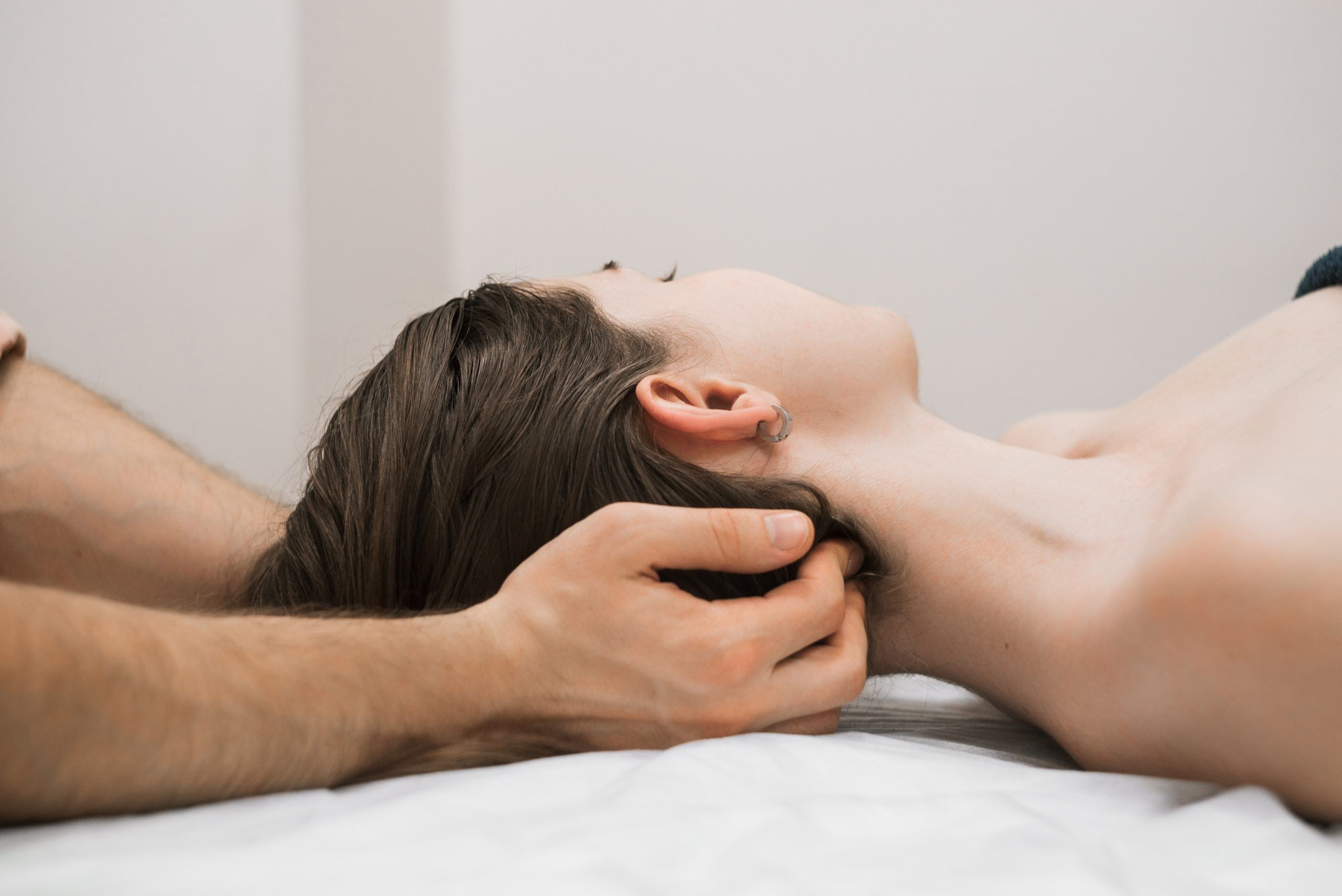
An osteopath can assist in providing manual therapy to help address any stiffness and muscular tension that may occur in the head, neck, jaw, shoulders, and upper back that may be associated with your migraines. Releasing these areas can play a role in managing symptoms, and your osteopath can also assist in providing lifestyle advice that is tailored to your individual situation and condition.
If you or someone you know is impacted by migraines, don’t hesitate to reach out or come into the clinic to learn more about how osteopathy may be able to help in managing your pain, and the impact that it is having on your life.
Information taken from migraine.org.au.