Recently an article from The Guardian “The best movement is the next movement” was shared with me, and a lot resonated with the values of our practice. Here is my take on the article. Enjoy!
An Osteopath’s Take on Back Pain: Why It’s Not as Fragile as You Think
If you’ve ever “put your back out” doing something completely ordinary — getting out of bed, picking up a coffee cup, bending down to pat the dog — you’re not alone.
One of the most common things I hear in clinic is:
“But I didn’t even do anything!”
And that’s exactly the point.
The good news (yes, there is good news) is that in most cases, back pain isn’t caused by serious damage. It doesn’t usually mean you’ve slipped a disc, torn something, or permanently injured yourself. Modern research backs this up.
Pain is real — absolutely real — but it’s often more about sensitivity than structural damage.
So what’s actually happening?
Think of your back as strong and adaptable. It’s designed to bend, twist, lift, and carry. But when you’re stressed, not sleeping well, run down, or moving less than usual, your system becomes more sensitive.
Then one small movement — a bend, a twist, a reach — becomes the “last straw.”
Your muscles tighten protectively (a spasm), your nervous system goes into guard mode, and suddenly everything feels dangerous.
The initial spasm isn’t the main problem. It’s what happens afterwards:
-
You move less
-
You stiffen up
-
You become cautious
-
Your body becomes more sensitive
Before long, normal movements feel threatening.
That doesn’t mean your back is weak. It means your nervous system is trying to protect you.
The Spine Is Meant to Move
Your spine is not a fragile stack of blocks waiting to collapse. It’s a strong, dynamic structure built to handle load and movement.
But modern life isn’t always kind to it.
Long hours sitting. High stress. Poor sleep. Not enough variety in movement. These things reduce resilience. Then a simple movement gets blamed — when really, it’s just the tipping point.
One of the most important messages I try to share with patients is this:
Movement is not the enemy. It’s often the solution.
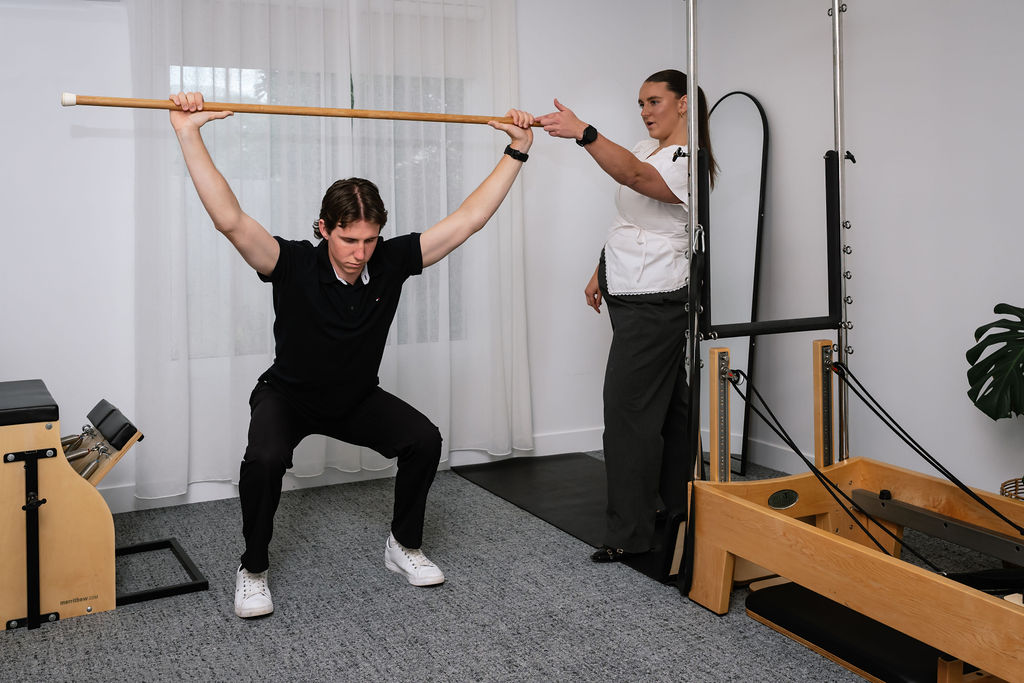
That doesn’t mean pushing through intense pain. It means gently, gradually reintroducing movement. Bending, twisting, arching, side-bending — your spine is designed to do all of it.
Avoiding movement out of fear can actually keep the pain going.
Lifestyle Plays a Bigger Role Than We Think
Back pain isn’t just mechanical. It’s influenced by:
-
Stress
-
Sleep
-
Activity levels
-
Smoking
-
General health
-
Emotional load
When someone tells me their back suddenly went, I often ask what the last few weeks have been like. There’s usually been extra stress, poor sleep, or less movement than usual.
The body is one connected system. We can’t separate the spine from the person attached to it.
And that’s not about blame — it’s about understanding.
Reassurance Is Powerful
One of the most helpful things we can do in clinic is reassure people that their back is strong.
Scans often show “disc bulges” or “wear and tear” in people who have no pain at all. So findings on imaging don’t automatically explain symptoms.
When people understand that pain doesn’t equal damage, something shifts. Fear reduces. Movement improves. Recovery speeds up.
As osteopaths, we use hands-on treatment to help calm irritated tissues and improve mobility. But just as importantly, we help guide you back to confident movement.
When Should You Be Concerned?
Serious causes of back pain are rare. But if you ever experience:
-
Loss of bladder or bowel control
-
Numbness in the groin area
-
Significant leg weakness
You should seek urgent medical attention.
Again — this is uncommon. Most back pain settles with time and movement.
The Bottom Line
If you’re dealing with back pain right now, here’s what I want you to know:
-
Your back is strong.
-
Pain doesn’t automatically mean damage.
-
Rest for a day or two is fine — but prolonged avoidance isn’t helpful.
-
Gentle, regular movement is one of the best medicines.
-
Small lifestyle changes can make a big difference.
Back pain can feel scary, especially when it seems to come out of nowhere. But understanding what’s happening reduces fear — and reducing fear reduces pain.
Our role isn’t just to treat your back. It’s to help you trust it again.
And most of the time, your back is far more capable than you think.