
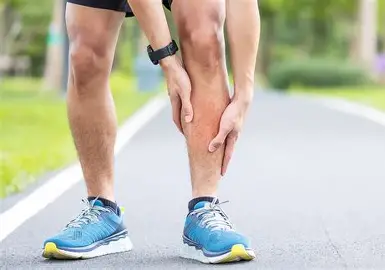
If you’ve ever started a new running routine or ramped up your training intensity, you may have experienced that familiar dull ache or sharp pain down the front of your lower legs — commonly known as shin splints. While it’s a frequent complaint among runners, dancers, and athletes, anyone who’s suddenly increased their physical activity can develop this uncomfortable condition. The good news? With the right management — including osteopathic care — recovery is achievable.
What Are Shin Splints?
“Shin splints” is the common term for medial tibial stress syndrome (MTSS). It refers to pain and inflammation along the inner edge of the shinbone (tibia), where muscles and connective tissues attach. The discomfort typically develops gradually and may feel like a dull ache, tenderness, or throbbing sensation along the front or inside of the shin.
Pain often worsens with exercise and can linger even after you stop.
Why Do Shin Splints Happen?
Shin splints occur when repetitive stress overloads the shinbone and surrounding tissues. Several factors can contribute, including:
– Overuse or sudden increase in activity: such as upping your running distance or intensity too quickly.
– Poor biomechanics: including flat feet, overpronation, or uneven leg length.
– Inappropriate footwear: worn-out shoes or those lacking proper support.
– Tight or weak muscles: particularly in the calves, hamstrings, or hip stabilisers.
– Hard or uneven surfaces: running on concrete or sloped terrain increases impact stress
Essentially, the muscles and bone tissue become irritated from repetitive pulling and impact, leading to inflammation and pain
Self-Management Tips for Shin Splints
If you’re dealing with shin splints, a few simple strategies can help manage pain and support healing:
– Rest and modify activity: reduce or temporarily stop high-impact exercises. Swap running for low-impact options like swimming or cycling.
– Ice therapy: apply an ice pack for 10–15 minutes, especially after activity, to help reduce pain and inflammation.
– Gentle stretching and mobility work: focus on your calves, ankles, and hamstrings to ease muscle tension.
– Strengthen supporting muscles:bBuilding strength in your calves, hips, and pelvis improves alignment and shock absorption.
– Check your footwear: choose shoes suited to your foot type and activity and replace worn-out pairs regularly.
– Gradual return: once pain settles, ease back into training gradually, increasing intensity by no more than 10% per week
How Your Osteopath Can Help
Osteopathic treatment can play a key role in both managing shin splints and preventing their return. Your osteopath will assess not just your shins, but your whole-body mechanics — including foot posture, hip alignment, muscle balance, and gait pattern. Treatment may include soft tissue techniques to relieve tightness and promote circulation, joint mobilisation to improve lower limb and pelvic alignment, stretching and strengthening advice tailored to your needs, postural and movement retraining to correct biomechanical imbalances and advice on footwear and exercise advice to support your long-term recovery. By addressing the underlying causes, osteopathy can help reduce pain, restore function, and get you moving confidently again. If your shin pain persists or worsens, it may also be a sign of a stress fracture or compartment syndrome. If this is the case your osteopath can refer you on for imaging or back to your GP for further management.
November 2025